
Temecula Mold Remediation
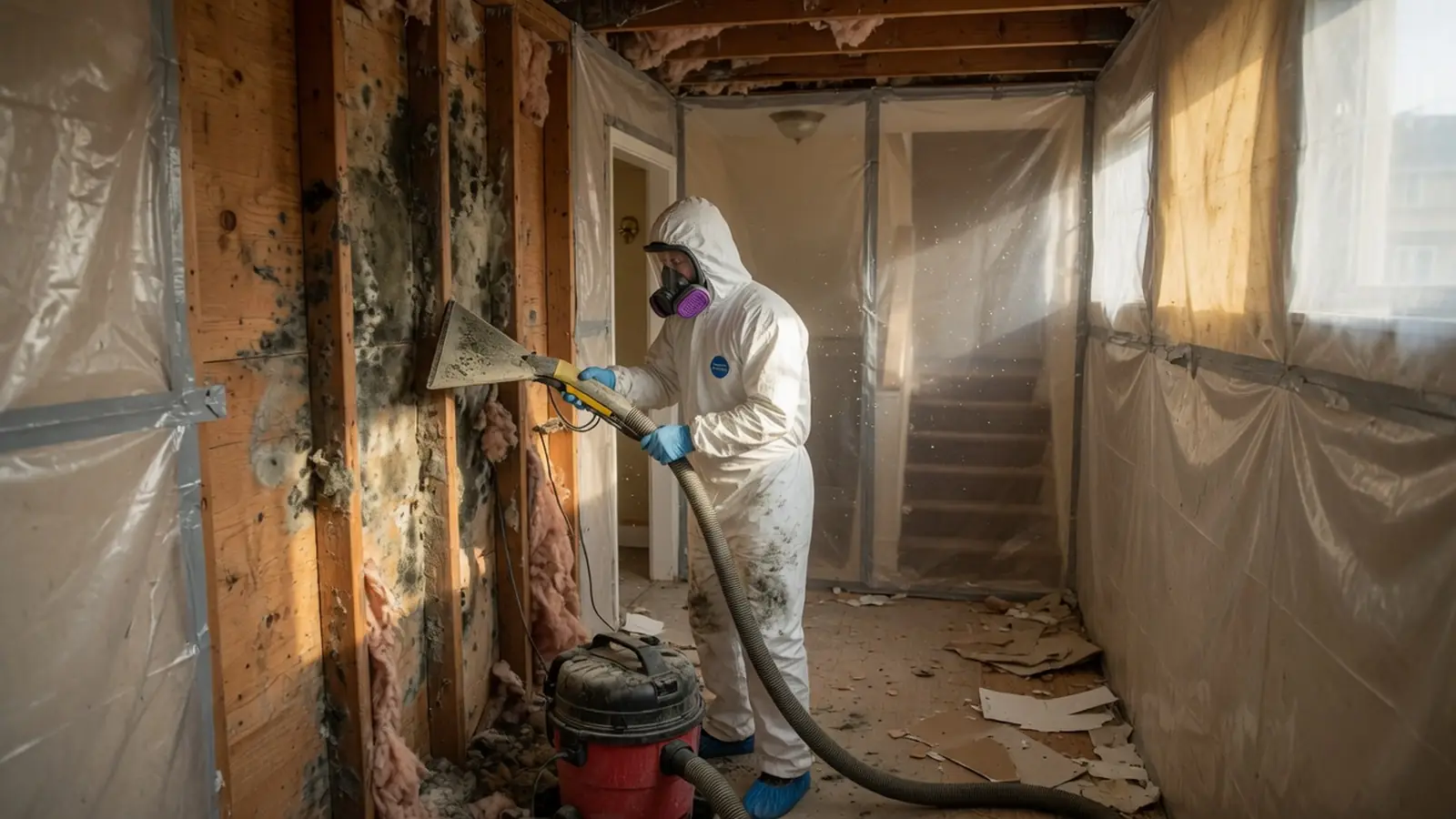
Homeowners discovering suspected mold after plumbing leaks struggle to evaluate inspection costs and avoid conflicts of interest with remediators. Certified mold remediation isolates contaminated rooms with plastic vapor barriers and negative-air HEPA scrubbers to stop spores from circulating into living areas. We deliver transparent assessments and verified structural drying so your household breathes clean, healthy air again.
Call (951) 555-0125 for an active leak.
Prefer to talk? (951) 555-0125
Honest Remediation Built On Science
Across this inland valley, the community contains 36,514 housing units on record in the Census ACS 5-year estimates.
About 42% of housing units (15,258 of 36,514) were built since 2000, so a substantial share of the local stock is still on its original systems.
Sustained inland summer heat forces continuous AC usage, creating hidden attic mold colonies when condensate drain lines clog or overflow into insulation.
When sudden plumbing failures strike, our emergency water damage restoration specialists step in immediately to stabilize the building envelope.
We deploy industrial air scrubbers and calibrated moisture meters to isolate airborne contaminants without causing unnecessary structural destruction.
Our technicians guide every property owner through documented testing protocols so you always understand the exact scope of required remediation.
How We Safely Remove Mold Contamination
Every remediation project follows rigorous containment protocols to safeguard healthy living spaces while eliminating active fungal colonies. If moisture originates from burst pipes, scheduling qualified burst pipe repair services ensures the plumbing source is permanently corrected before drying commences.
- Physical Containment Setup. Certified mold remediation isolates contaminated rooms with plastic vapor barriers and negative-air HEPA scrubbers to stop spores from circulating into living areas. Homeowners question whether extensive containment, structural demolition, and chemical treatments are objectively required after plumbing leaks, which is why we establish sealed containment zones before disturbing any materials.
- Psychrometric Framing Drying. Homeowners coping with indoor water damage struggle to establish verified drying protocols to prevent hidden mold within wall cavities. A common pattern echoed in public discussions is that extracting bound moisture from wall framing requires manipulating psychrometric vapor pressure and grains per pound, which simple fans cannot achieve.
- Antimicrobial Remediation. Property owners frequently ask: Can I wipe visible black mold off porous drywall with household bleach, or does the affected wallboard require physical removal and antimicrobial treatment? Non-salvageable porous wallboard requires controlled physical removal followed by deep EPA-registered antimicrobial application across structural studs.
- Clearance And Verification. We conclude every project with thorough thermal imaging and surface testing to ensure moisture levels match dry standards and all airborne contaminants have been eradicated.
Science-Backed Containment And Integrity
We operate under strict environmental containment standards, deploying medical-grade HEPA filtration and non-toxic antimicrobials. Whether resolving hidden attic humidity issues or repairing saturation from a sudden water heater leak, our certified technicians prioritize structural preservation. We never sell unnecessary demolition or unneeded chemical fogging, relying strictly on documented moisture readings and objective air quality benchmarks.
Attic Mold Remediation
High inland summer temperatures cause AC overflow trays to spill moisture into attic insulation. We remove damaged insulation, treat roof decking, and sanitize ceiling framing under negative pressure.
Wall Cavity Decontamination
Hidden plumbing leaks foster unseen fungal growth inside interior partition walls. We pinpoint damp wall cavities using non-invasive thermal tools, remove compromised drywall, and treat timber framing.
HEPA Air Scrubbing
Active remediation releases millions of microscopic spores into ambient air. Our negative-air scrubbers cycle room volume continuously through true HEPA filters to protect whole-house air quality.
Our Commitment To Environmental Safety
Our remediation team combines certified containment protocols with calibrated drying science to restore healthy indoor living environments across the valley.
- 15Zip Codes Served
- 4Service Areas
- 3Services Offered
Read verified feedback from local property owners who trusted our crew to handle difficult mold and moisture challenges inside their homes.
“Our homeowners association has strict rules about visible equipment and waste bins during exterior disposal. The crew kept all containment barriers inside, parked their filtration trailer discreetly, and spoke directly with the HOA rep to confirm noise compliance. They made what could have been a neighborhood dispute completely seamless.”
Marcus G.
“Six months have passed since the remediation in our master bathroom, and the air remains completely fresh with zero musty odors returning. The crew dried the deep framing studs properly instead of just spraying cosmetic surface washes. We had an independent clearance test done last week and it came back completely clean.”
Elena R.
“My elderly mother lives with us and suffers from severe respiratory sensitivity, so dust control was our biggest priority. The crew set up sealed plastic zippered chambers, ran quiet negative-air scrubbers around the clock, and kept our living corridors completely safe for her walker. Their care and respect for our household routine gave us total peace of mind.”
David K.
“Another contractor handed us an unusually low estimate that skipped proper containment and only proposed wiping down the wall framing with household disinfectant. The team explained why negative pressure and physical removal of ruined drywall were necessary to protect our framing long-term. Investing in their thorough, certified process saved us from a recurring catastrophe down the road.”
Sandra T.
Frequently Asked Questions
Can I wipe visible black mold off porous drywall with household bleach?
No, porous drywall requires physical removal and EPA-registered antimicrobial treatment because bleach cannot penetrate porous gypsum. Wiping porous drywall with household bleach only removes surface discoloration while moisture and fungal roots remain inside. Contaminated porous wallboard requires controlled removal and specialized antifungal application.
Are extensive containment and chemical treatments always necessary after plumbing leaks?
Containment is necessary whenever active fungal spores exceed baseline levels, isolating affected zones to protect unaffected living spaces. Homeowners question whether extensive containment, structural demolition, and chemical treatments are objectively required after plumbing leaks. Professional isolation using plastic vapor barriers and negative-air HEPA scrubbers stops spores from circulating into living areas during active remediation.
How do you prevent hidden mold from growing inside wall cavities?
Preventing hidden wall mold requires establishing verified drying protocols using commercial dehumidification to remove bound structural moisture. Homeowners coping with indoor water damage struggle to establish verified drying protocols to prevent hidden mold within wall cavities. Extracting bound moisture from wall framing requires manipulating psychrometric vapor pressure and grains per pound, which simple fans cannot achieve.
How do homeowners evaluate inspection costs and avoid remediator conflicts of interest?
Homeowners can evaluate inspection costs by seeking independent third-party assessments that separate inspection protocols from remediation bids. Homeowners discovering suspected mold after plumbing leaks struggle to evaluate inspection costs and avoid conflicts of interest with remediators. We provide clear, itemized scopes based strictly on verifiable moisture and fungal readings.
Why does attic mold frequently develop during inland summer months?
Attic mold develops when sustained inland summer heat forces heavy air conditioning use, triggering condensation overflows into ceiling insulation. Sustained inland summer heat forces continuous AC usage, creating hidden attic mold colonies when condensate drain lines clog or overflow into insulation. Regular maintenance of drain lines prevents these hidden moisture reservoirs from damaging drywall and insulation.